
Alderney Community Woodland - © Rowie Burcham
Key Habitats and Species
Key Habitats and Species for Alderney
Alderney supports a remarkable diversity of wildlife, from seabirds and marine mammals to dunes, heathlands and intertidal habitats. This page highlights key habitats and species on Alderney that have been identified through the Alderney State of Nature project.
As part of the project, habitats and species were assessed using a set of narrative criteria designed to reflect both ecological importance and local relevance. The criteria consider whether a habitat or species is:
Vulnerable (e.g. rare, declining, or sensitive to pressures)
Valuable (ecologically, culturally, or economically important to Alderney)
Harmful, such as invasive non-native species requiring management
Subject to a legal or policy requirement for monitoring or protection
Relevant data sources that aligned with this criteria, including conservation lists and policy documents, were assessed alongside feedback from a community questionnaire. Each source was weighted according to its relevance and robustness, and combined to produce an overall score. Habitats and species with the highest scores are presented below.
Species
This list includes animal and plant species that have been identified as as key for Alderney using feedback from the island's community and data gathered as part of the Alderney State of Nature project.
Species are grouped by broad taxonomic group and then listed in alphabetical order. Records for these species on Alderney can be explored and submitted via the Alderney Biodiversity Centre website.
Alga
- Knotted Wrack/Egg Wrack (Ascophyllum nodosum)
- Peacock's Tail Seaweed (Padina pavonica)
Fish
- Common Sole (Solea solea)
- European Eel (Anguilla anguilla)
- European Plaice (Pleuronectes platessa)
- Lesser Sand Eel (Ammodytes tobianus)
- Tope (Galeorhinus galeus)
- Undulate Ray/Painted Ray (Raja undulata)
Marine invertebrates
- European Flat Oyster (Ostrea edulis)
- Edible/Brown Crab (Cancer pagurus)
- European Spiny Lobster (Palinurus elephas)
- Green Ormer (Haliotis tuberculata)
Marine mammals
- Common Bottlenose Dolphin (Tursiops truncatus)
- Grey Seal (Halichoerus grypus)
Birds
- Atlantic Puffin (Fratercula arctica)
- Balearic Shearwater (Puffinus mauretanicus)
- Common House Martin (Delichon urbicum)
- Common Ringed Plover (Charadrius hiaticula)
- Common Tern (Sterna hirundo)
- Dartford Warbler (Curruca undata)
- Eurasian Curlew (Numenius arquata)
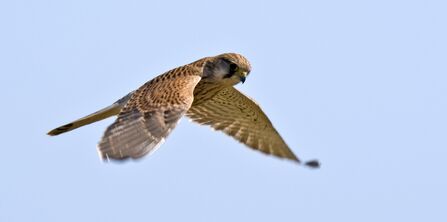
- Eurasian Kestrel (Falco tinnunculus)
- Northern Gannet (Morus bassanus)
- Peregrine Falcon (Falco peregrinus)
Terrestrial invertebrates
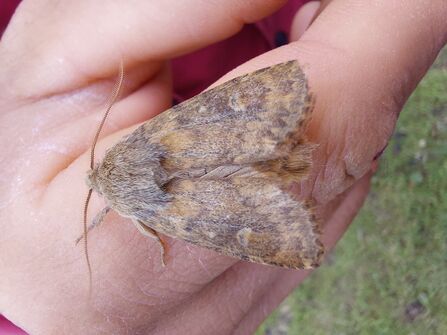
- Brindled Ochre Moth (Dasypolia templi)
- Broom Moth (Ceramica pisi)
- Dot Moth (Melanchra persicariae)
- Figure of Eight Moth (Diloba caeruleocephala)
- Garden Dart Moth (Euxoa nigricans)
- Garden Tiger Moth (Arctia caja)
- Hedge Rustic Moth (Tholera cespitis)
- Mouse Moth (Amphipyra tragopoginis)
Terrestrial mammals
- Brown Long-eared Bat (Plecotus auritus)
- Common Pipistrelle (Pipistrellus pipistrellus)
- Nathusius's Pipistrelle (Pipistrellus nathusii)
Reptiles & amphibians
- Common Frog (Rana temporaria)
- Slow Worm (Anguis fragilis)
Vascular plants
- Shore Dock (Rumex rupestris)
- Small Restharrow (Ononis reclinata)
Non-vascular plants
- Land Quillwort (Isoetes histrix)
- Swan's-neck Thyme-moss (Campylopus pilifer)
Habitats
This list includes habitats that have been identified as as key for Alderney using feedback from the island's community and data gathered as part of the Alderney State of Nature project.
Habitats are grouped by marine and terrestrial environments and listed alphabetically. Marine habitat names link to webpages that provide further information on the habitat based on their JNCC marine habitat classification. Information on terrestrial habitats can be found by accessing the UKHAB website, which describes habitats classified using the UKHab system.
Terrestrial
- Lowland dry heath
- Sand dunes (embryonic shifting dunes and shifting dunes with marram)
- Dune grassland
- Vegetated sea cliffs
- Woodland (other lowland mixed deciduous woodland)
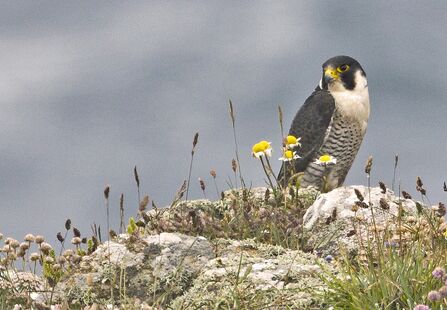
© Bill Black - Peregrine falcon
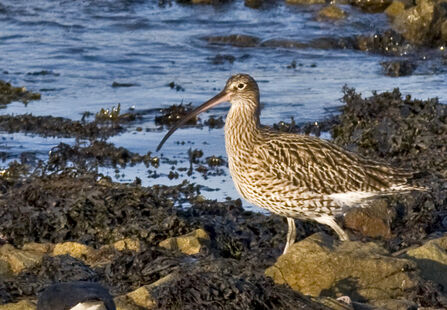
Curlew - Bill Black ©
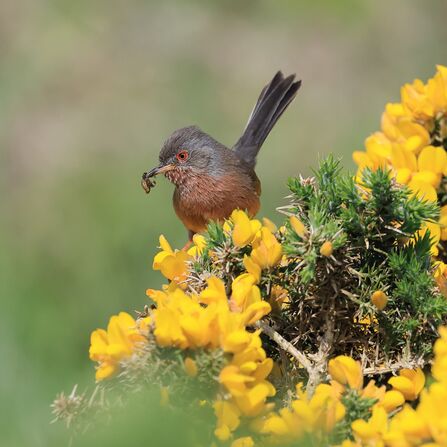
Dartford Warbler - James Brenton ©
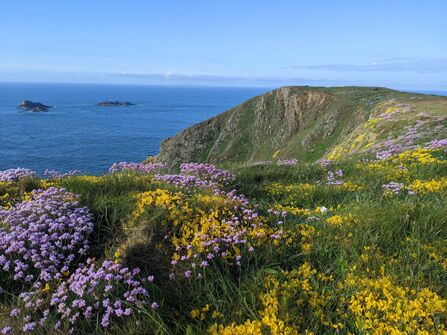
Vegetated Sea Cliffs (Alderney South Cliffs) - Tara Cox ©
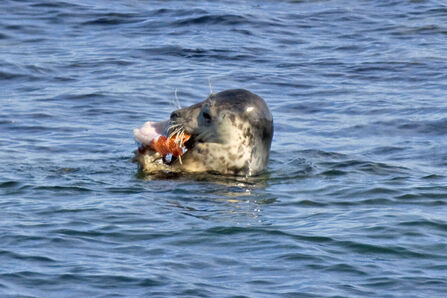
Grey Seal - Bill Black ©
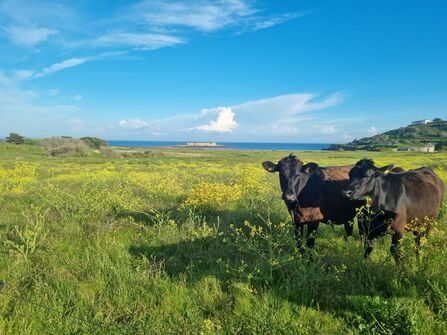
Dune Grassland (Longis Common) - Alex Purdie ©
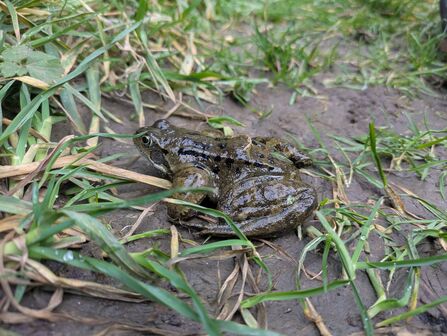
Common Frog - Tara Cox ©
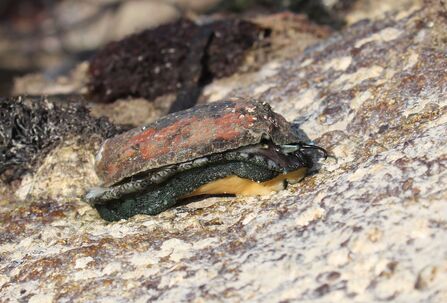
Green ormer - Martin Batt ©
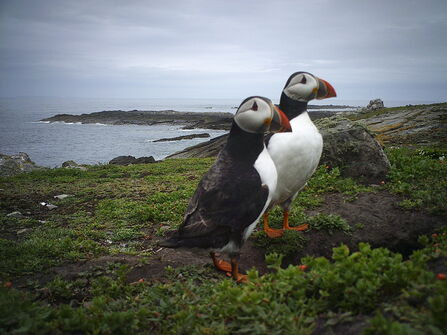
Puffins on Burhou - AWT Staff ©
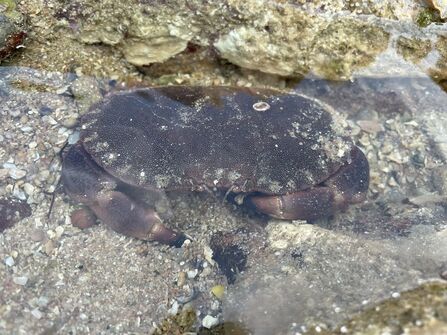
Chancre crab - Thanh Doan ©
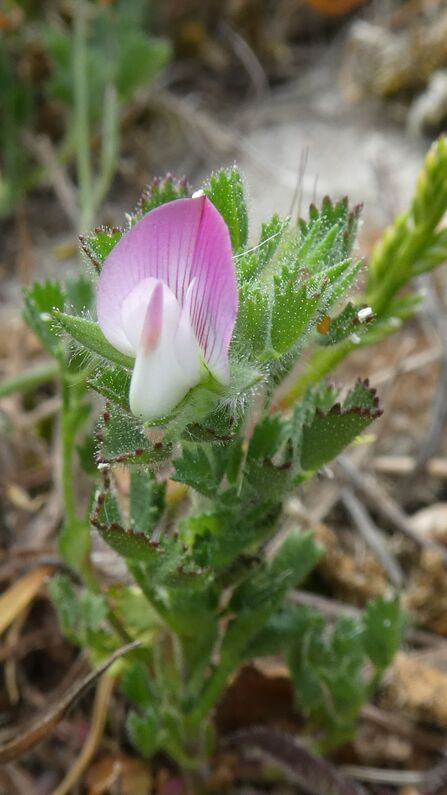
Small Restharrow - Lindsay Pyne ©
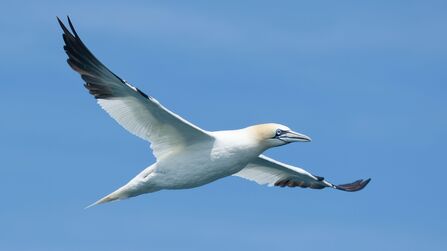
Northern Gannet - Gary Howes ©
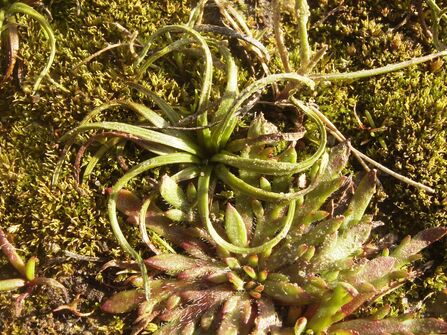
Land Quillwort - Richard Pryce ©
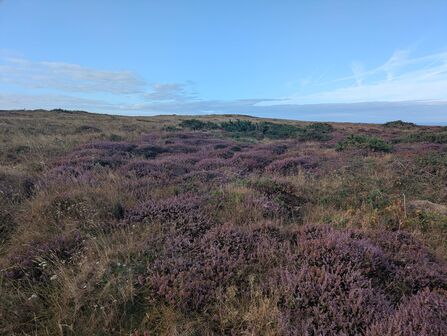
Lowland Dry Heath - Tara Cox ©
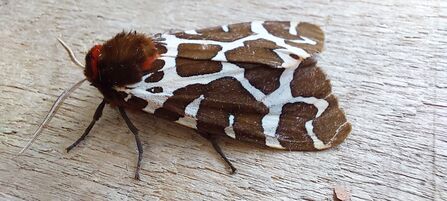
Garden Tiger - Lou Collings ©
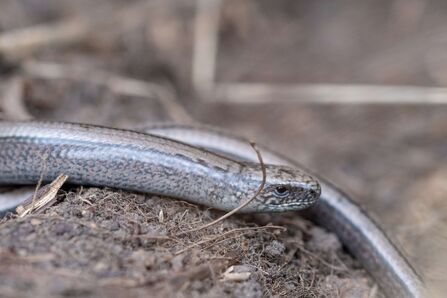
Slow worm - Josh Copping ©
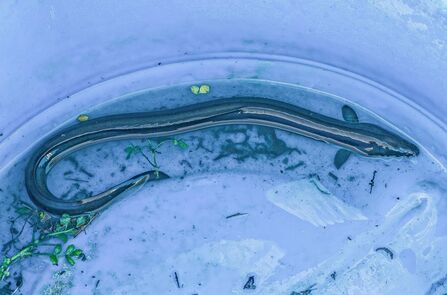
Eel - Bill Black ©
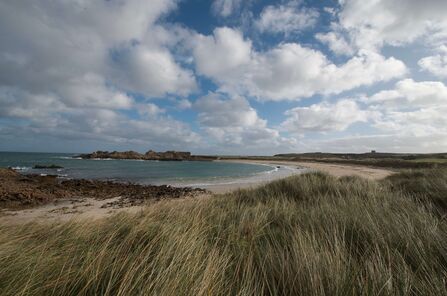
Sand Dunes (Saye) - Josh Copping
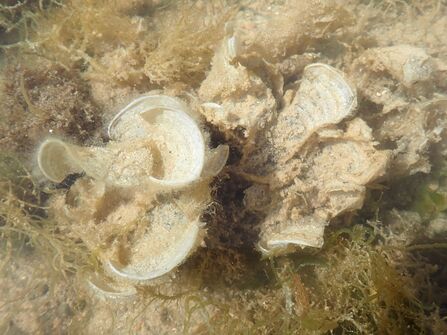
Padina pavonica - Mel Broadhurst-Allen ©
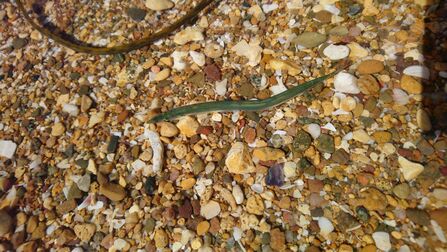
Sand Eel - Dani Clifford ©
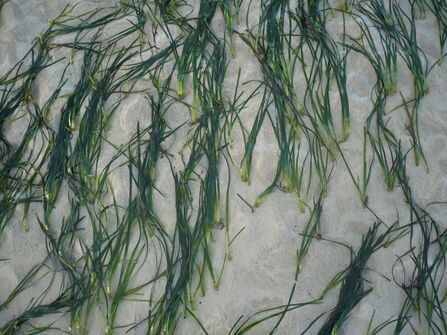
Eelgrass - Mel Broadhurst-Allen ©